

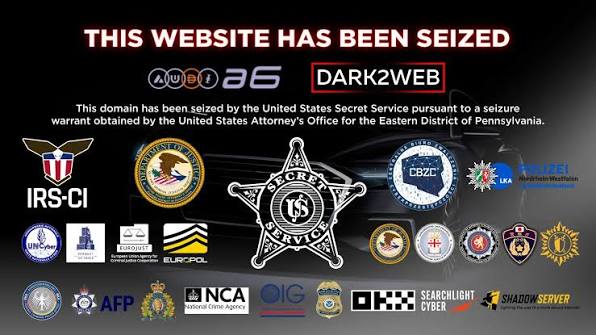
Cryptocurrency has transformed the financial landscape, offering individuals unprecedented control over their assets. However, the rise of digital currencies such as Bitcoin, Ethereum, and other cryptocurrencies crypto crime investigative services in the USA has also created opportunities for hackers, scammers, and cybercriminals. Every year, thousands of Americans lose access to their crypto holdings due to theft, fraud, exchange failures, phishing attacks, forgotten passwords, or wallet mismanagement.
While recovering lost or stolen crypto assets can be challenging, it is not always impossible. Understanding the available recovery options, legal remedies, and investigative processes can significantly improve the chances of retrieving digital assets.
Common Causes of Crypto Asset Loss
Cryptocurrency losses typically occur through several scenarios:
- Hacking and Cyberattacks
Cybercriminals often target cryptocurrency exchanges, online wallets, and individual investors. Unauthorized access can result in substantial losses within minutes.
- Phishing Scams
Fraudsters frequently impersonate legitimate exchanges, wallet providers, or investment platforms to trick users into revealing private keys or login credentials.
- Investment Fraud
Fake cryptocurrency investment schemes and Ponzi operations continue to cause significant financial damage to investors across the United States.
- Lost Private Keys
Unlike traditional banking systems, cryptocurrency ownership depends on private keys. Losing access to these keys can make funds inaccessible.
- Exchange Insolvency
Some users lose assets when cryptocurrency exchanges become insolvent, shut down operations, or suffer major security breaches.
Can Stole Cryptocurrency Be Recovered?
Contrary to popular belief, cryptocurrency transactions are not completely anonymous. Most digital assets digital asset recovery specialist in the USA operate on public blockchains that record every transaction permanently. This transparency allows investigators to trace the movement of funds.
Recovery success depends on several factors, including:
- How quickly the theft is reported
- Whether the assets have been transferred through multiple wallets
- The involvement of regulated exchanges
- Availability of transaction records
- Cooperation from law enforcement agencies
Although recovery is not guaranteed, many cases have resulted in partial or full asset recovery through blockchain analysis and legal action.
Steps to Take Immediately After Discovering a Theft
Document Everything
Gather all relevant information, including:
- Wallet addresses
- Transaction IDs (TXIDs)
- Exchange account details
- Screenshots of communications
- Emails and messages from suspected scammers
Comprehensive documentation helps investigators build a stronger case.
Contact Your Exchange
If the stolen funds were transferred to or through a cryptocurrency exchange, contact the exchange immediately. Some platforms can freeze accounts if suspicious activity is detected quickly.
Report the Incident
Victims in the United States should consider reporting crypto-related theft to appropriate authorities, including:
- Local law enforcement
- The Federal Bureau of Investigation (FBI)
- The Internet Crime Complaint Center (IC3)
- State consumer protection agencies
Prompt reporting may increase the likelihood of successful intervention.
Secure Remaining Assets
Move any remaining cryptocurrency holdings to secure wallets and change passwords, authentication settings, and security credentials immediately.
The Role of Blockchain Forensics
Blockchain forensic specialists use advanced analytical tools to trace cryptocurrency movements across networks. These experts can:
- Follow transaction trails
- Identify linked wallet addresses
- Detect laundering patterns
- Track funds sent to exchanges
- Produce evidence suitable for legal proceedings
Modern blockchain intelligence platforms have become increasingly effective at uncovering complex money trails that criminals once believed were untraceable.
Legal Recovery Options in the USA
Civil Litigation
Victims may pursue civil lawsuits against identifiable perpetrators, businesses, or entities involved in facilitating fraudulent activity.
Asset Freezing Orders
In certain situations, courts may authorize asset preservation measures to prevent further transfers of stolen cryptocurrency.
Exchange Cooperation
Many regulated cryptocurrency exchanges operating in the United States comply with lawful requests from courts and law enforcement agencies.
Bankruptcy Claims
If an exchange becomes insolvent, affected users may have the opportunity to file creditor claims during bankruptcy proceedings.
Recovering Lost Wallet Access
Not all crypto losses involve theft. Many individuals simply lose access to their wallets.
Possible recovery methods include:
- Locating backup seed phrases
- Recovering encrypted wallet files
- Using password recovery techniques
- Restoring wallets from secure backups
- Consulting legitimate data recovery specialists
Users should be extremely cautious when seeking recovery assistance, as fraudulent “crypto recovery services” have become increasingly common.
Avoiding Crypto Recovery Scams
After losing funds, victims are often targeted by secondary scams. Warning signs include:
- Guaranteed recovery promises
- Upfront fees with no transparency
- Claims of insider government connections
- Requests for private keys or seed phrases
- Unsolicited social media messages
No legitimate recovery professional can guarantee the return of stolen cryptocurrency.
Preventing Future Cryptocurrency Losses
Investors can significantly reduce risk by adopting strong security practices:
- Use hardware wallets for long-term storage
- Enable multi-factor authentication
- Verify website URLs carefully
- Store seed phrases offline
- Keep software updated
- Avoid sharing private keys
- Conduct due diligence before investing
Proactive security remains the most effective defense against cryptocurrency theft.
Conclusion
Recovering lost or stolen crypto assets in the USA requires swift action, careful documentation, and often the assistance of legal, forensic, and investigative professionals. While cryptocurrency transactions are irreversible by design, blockchain technology creates a permanent record that can help trace stolen funds and support recovery efforts.
