

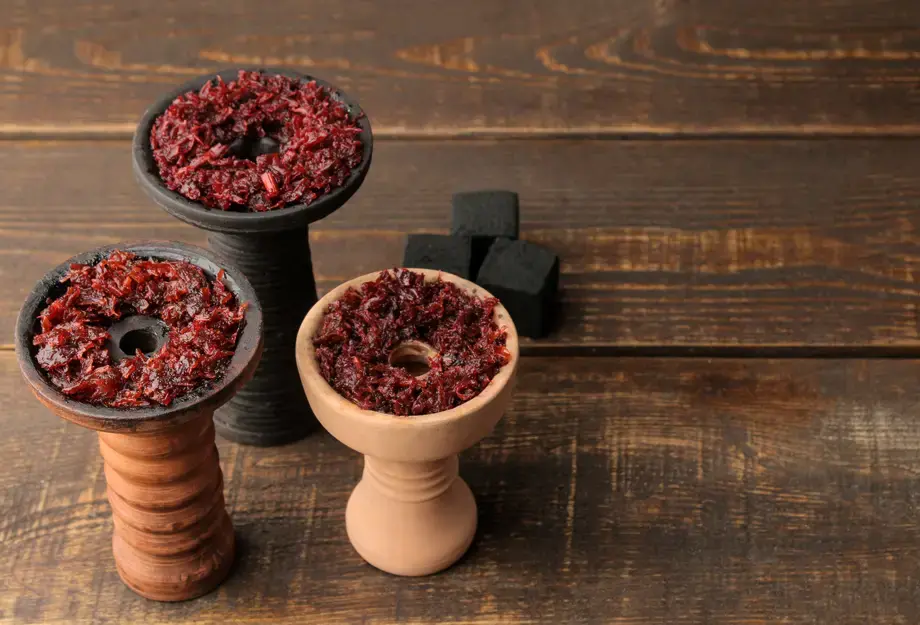
Hookahs have been a popular social smoking device for centuries, bringing people together to enjoy flavored tobacco in a relaxed and communal setting. Known by various names such as shisha, water pipe, narghile, and hubbly https://vipkalyan.shop/uk/ bubbly, hookahs have evolved from traditional smoking instruments into modern lifestyle products enjoyed around the world.
Whether found in specialized lounges, homes, or social gatherings, hookahs continue to attract enthusiasts who appreciate their unique smoking experience and rich cultural heritage.
The History of Hookahs
The origins of the hookah can be traced back several centuries, with historians often linking its development to regions in South https://vipkalyan.shop/elektronnye-sigarety/odnorazovye/elektronnye-sigarety-elf-bar Asia and the Middle East. Early hookahs were designed using natural materials such as coconut shells and bamboo tubes. Over time, artisans refined the design, creating more sophisticated versions made from metal, glass, and wood.
As trade routes expanded, hookah culture spread across Persia, Turkey, Egypt, and other parts of the world. Each region contributed its own styles, traditions, and smoking customs, helping shape the diverse hookah culture that exists today.
How a Hookah Works
A hookah is designed to filter and cool smoke through water before it is inhaled. While designs vary, most hookahs operate using the same basic principles.
The smoking process begins when flavored tobacco is heated using charcoal. As the tobacco heats, smoke is produced and travels through the hookah’s stem into the water base. The smoke then passes through the water, cooling before reaching the hose and mouthpiece.
Many users enjoy the smoother sensation created by this filtration and cooling process.
Main Components of a Hookah
- Bowl
The bowl sits at the top of the hookah and holds the tobacco. Bowls are available in various materials, including clay, ceramic, silicone, and glass. Different bowl designs can influence heat distribution and tobacco consumption.
- Tray
Located beneath the bowl, the tray catches ash and provides a convenient place to handle charcoal during a smoking session.
- Stem
The stem connects the bowl to the water base. It serves as the pathway through which smoke travels after being generated in the bowl.
- Water Base
The base is filled with water and acts as the primary filtration chamber. Modern bases are often crafted from decorative glass and are available in numerous shapes and designs.
- Hose
The hose allows users to draw smoke from the hookah. Washable silicone hoses have become increasingly popular due to their durability and ease of maintenance.
- Mouthpiece
The mouthpiece is attached to the end of the hose and is used for inhaling smoke. Disposable tips are commonly used in social settings to promote hygiene.
Types of Hookahs
Traditional Hookahs
Traditional hookahs often feature handcrafted metalwork, decorative engravings, and classic designs inspired by Middle Eastern culture.
Modern Hookahs
Modern hookahs emphasize sleek aesthetics, innovative engineering, and premium materials such as stainless steel, carbon fiber, and acrylic.
Portable Hookahs
Portable models are designed for travel and convenience. Their compact size makes them suitable for outdoor events and personal use.
Multi-Hose Hookahs
These hookahs allow multiple users to smoke simultaneously, making them popular for social gatherings and hookah lounges.
Popular Hookah Flavors
One of the biggest attractions of hookah smoking is the wide variety of available flavors. Common options include:
- Mint
- Double Apple
- Watermelon
- Grape
- Blueberry
- Mango
- Lemon Mint
- Peach
- Strawberry
- Mixed Fruit
Many manufacturers also offer creative flavor blends that combine fruits, desserts, spices, and cooling notes.
Hookah Culture Around the World
Hookah culture varies significantly from region to region. In many Middle Eastern countries, hookahs are deeply rooted in social traditions and hospitality. Friends and family often gather around a hookah to share conversations and relaxation.
In Western countries, hookah lounges have become popular venues where people can enjoy flavored tobacco in a social atmosphere. Modern hookah culture often blends traditional customs with contemporary trends, creating a unique global community of enthusiasts.
Choosing the Right Hookah
When selecting a hookah, several factors should be considered:
Build Quality
Stainless steel components generally offer excellent durability and resistance to corrosion.
Size
Larger hookahs often provide a more stable smoking experience, while smaller models are easier to transport and store.
Ease of Cleaning
A hookah that can be easily disassembled simplifies maintenance and helps preserve flavor quality.
Design
Many users choose hookahs that match their personal style, ranging from traditional handcrafted models to minimalist modern designs.
Hookah Maintenance Tips
Regular maintenance helps ensure optimal performance and longevity.
- Clean the base after each use.
- Rinse the hose if it is washable.
- Remove residue from the stem and bowl.
- Replace worn grommets when necessary.
- Store the hookah in a dry location.
Proper cleaning helps prevent flavor contamination and keeps the hookah functioning efficiently.
Modern Innovations in Hookah Design
Today’s hookah industry continues to evolve with innovations such as:
- Advanced heat management systems
- Magnetic hose connectors
- Diffusers for quieter operation
- Modular stem designs
- Premium aerospace-grade materials
- LED lighting accessories
These innovations enhance convenience, performance, and customization options for users.
Conclusion
Hookahs have maintained their popularity for centuries by combining tradition, craftsmanship, and social interaction. From their historical origins to today’s modern designs, hookahs remain an important part of social culture in many regions around the world. With numerous styles, flavors, and accessories available, enthusiasts can customize their experience while appreciating the rich heritage that has made hookahs a lasting global phenomenon.
